

Rhinoplasty Surgery
Reshape Your Nose
Rhinoplasty Surgery - Reshape Your Nose
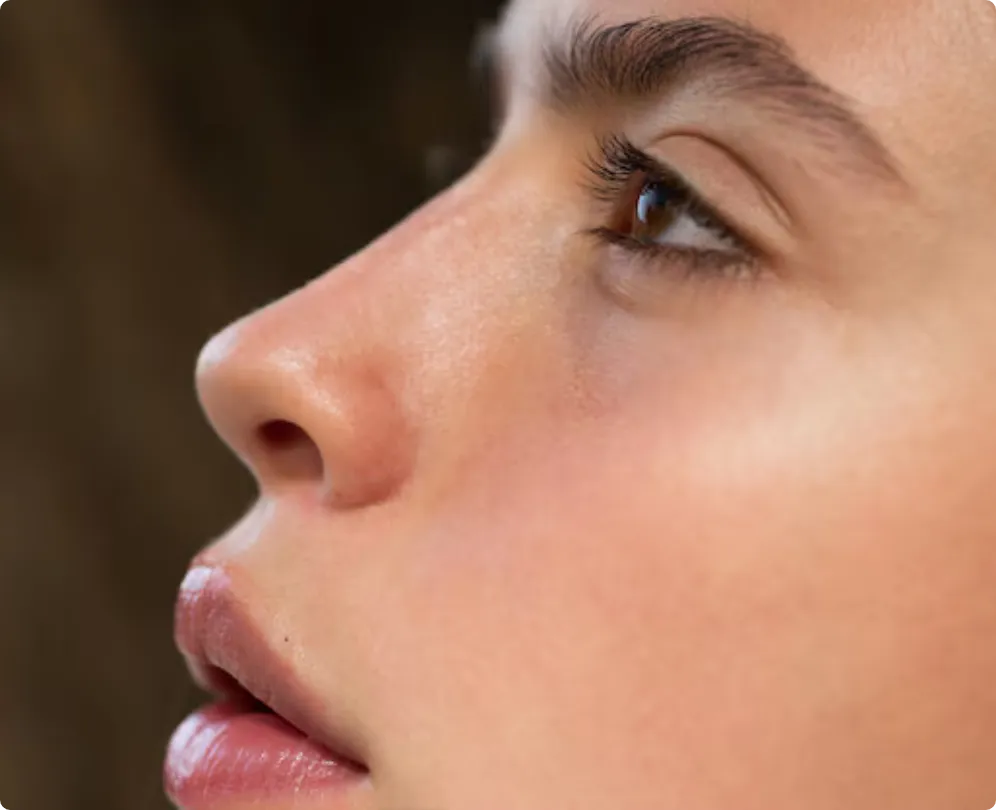
What Nose Surgery Can Change for You
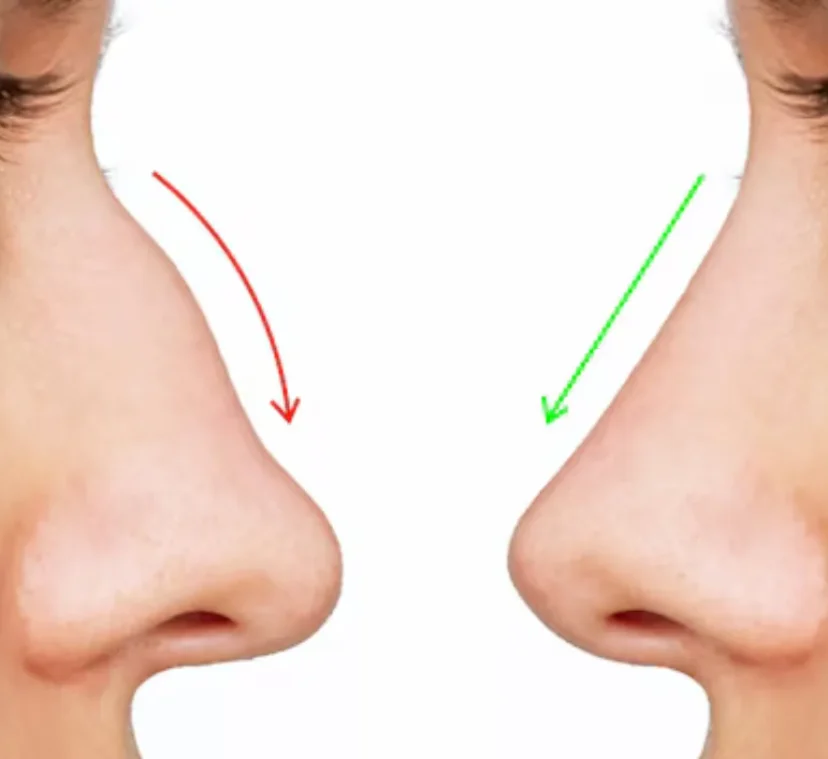
- Takes down a dorsal hump, so the profile runs in one smooth line from brow to tip
- A wide or bulbous tip gets slimmer without losing its natural character
- Straightens a bridge that bent after an old break
- Stops the tip from dropping when you smile
- Brings wide nostrils back in line with the rest of the face
- Clears a blocked airway if a deviated septum sits behind the shape
- Puts the nose in better balance with your chin and jawline
- Fixes the result of earlier surgery through revision rhinoplasty
- Scars stay hidden inside the nostrils, or turn into a fine line across the columella
- The change is permanent, because bone and cartilage don’t drift back
- You look more rested in photos and on video calls
- Most people go back to desk work within two weeks
Who Makes a Good Candidate for Rhinoplasty Surgery?
Not every nose needs an operation. Some concerns do better with filler, and some simply bother people less as time goes on. When patients ask about the best rhinoplasty in Dubai for them, Dr. Sohrab starts by checking for a few things:
- The shape bothers you most days, not just in the odd photo
- Your face has finished growing, usually by 18 for women and a little later for men
- You’re in good general health, with no uncontrolled blood pressure or bleeding disorder
- Expectations are realistic, since rhinoplasty improves your own nose and won’t give you someone else’s
- Breathing through the nose is a struggle too, which often makes septal work worthwhile
- For revision cases, at least twelve months have passed since the last nose surgery
Smoking comes up early. Nicotine tightens the tiny blood vessels that feed healing skin, and stopping four weeks before surgery protects the result. Dr. Sohrab confirms in person whether you’re a good candidate, before any surgery date goes in the diary.
3-6 hours
3-4 weeks
4-8 weeks
Price varies
How Rhinoplasty Surgery Works, Step by Step
Most rhinoplasty takes two to three hours under general anaesthesia. On the day, Dr. Sohrab works from the plan you both agreed at consultation, not from a standard routine.
- He marks the profile and runs through the plan with you before any incision
- Access goes through the nostrils for a closed approach, or across the columella for an open one
- Ultrasonic instruments or fine osteotomes reshape the bone
- He trims or grafts cartilage to set the tip, the bridge and the support around the nostrils
- If breathing needs it, he straightens the septum at this stage
- Fine sutures close everything, and an external splint stays on for about a week
You’ll usually go home the same day. Adding chin augmentation makes the operation longer, but you then recover from both at once.
Recovery After Nose Surgery
Your First Two Weeks
Swelling and bruising around the eyes are at their worst around day three and ease off after that. The splint comes off at about a week, and that first look catches people out because the nose is still swollen. It isn’t the final shape. Sleep with your head up, stay out of the gym, and keep glasses off the bridge for now. Most people return to desk work within two weeks, with a little makeup over any bruising that’s left.
Follow-Up Visits and the Final Shape
Follow-up appointments continue at set points through the first year. The tip is the last part to settle, especially in thicker skin, so the final shape usually shows somewhere between twelve and eighteen months. Honestly, patience does more for the result in that stretch than anything else. Patients coming from abroad or another Emirate should fit in at least one follow-up before they travel home.
Results You Can Expect From Rhinoplasty Surgery
How the Nose Settles
Rhinoplasty changes bone and cartilage for good, so the new shape stays with you as you get older. By six months, photos already look close to the end result, although small changes keep happening for another year. At follow-up, Dr. Sohrab goes through your before-and-after photos with you. Comparing your face with your own earlier photos, rather than with someone else’s, keeps expectations grounded.
Procedures Often Combined With Nose Surgery
A weak chin can make any nose look bigger, which is why many patients pair rhinoplasty surgery with chin augmentation to balance the profile. Older patients sometimes add a facelift or neck lift in the same session, so they only go through one recovery.
Open, Closed and Ultrasonic Rhinoplasty Options
Three techniques cover most nose surgery. Dr. Sohrab checks your skin thickness, the width of the bone and how strong the cartilage is, and then picks the one that suits your nose.
Closed Rhinoplasty
Every incision sits inside the nostrils, so there’s no scar on the outside at all. Swelling tends to go down faster as well. It works well for straightforward hump removal and smaller changes to the tip.
Open Rhinoplasty
Open rhinoplasty needs a small incision across the columella, the strip of skin between the nostrils. That opening lets Dr. Sohrab see the whole framework underneath. Complex tips, crooked noses and most revision rhinoplasty cases need this view, and the scar fades to a faint line within a few months.
Ultrasonic Rhinoplasty
Piezoelectric instruments do the bone work here. They cut bone but leave the soft tissue around it alone, so bruising and swelling usually run lower than with a traditional chisel. They also let Dr. Sohrab shape the bridge in finer detail.
Revision Rhinoplasty
Some patients who arrive after surgery elsewhere left them with a pinched tip, a collapsed bridge or trouble breathing. Revision is harder work. Scar tissue replaces the clean layers a first operation relies on, and new cartilage may have to come from the septum, the ear or a rib. Dr. Sohrab looks at every revision case on its own terms and tells you straight what he can realistically achieve.

What the Evidence Says About Ultrasonic Rhinoplasty
In 2022, a systematic review in Aesthetic Plastic Surgery pooled eight randomised controlled trials, with 440 rhinoplasty patients between them.
A 2022 systematic review in Aesthetic Plastic Surgery pooled eight randomised controlled trials involving 440 rhinoplasty patients. The review found that piezosurgery reduced short-term swelling in 75% of the trials.
The review also found lower bruising scores in 87.5% of the included trials. These findings suggest that ultrasonic instruments may offer benefits during certain parts of rhinoplasty.
Why Patients Choose Dr. Sohrab Moradi Bajestani for a Nose Job
Dr. Sohrab began his surgical training in General Surgery at Tabriz University of Medical Sciences. He later trained in Plastic and Reconstructive Surgery at Tehran University of Medical Sciences.
Dr. Sohrab performs facial aesthetic surgery along with body contouring and breast surgery. He uses techniques such as deep-plane and endoscopic surgery when suitable for the procedure.
Dr. Sohrab examines each nose before deciding on the surgical approach. Skin thickness and nasal bone structure can affect the plan.
Didn’t Find the Answer? Ask us Questions
Call us directly, submit a sample or email us!
Donwtown Dubai, UAE
Call us :+01 (702) 555-0122
Mon-Sat: 7:30am - 7:00pm
Sun: 8:00am - 6:00pm
FAQS
Rhinoplasty Surgery
Usually two to three hours under general anaesthesia. Revision work and combined procedures take longer, but most patients still go home the same day.
Not with closed rhinoplasty, since every incision stays inside the nostril. The open approach leaves a fine line across the columella, and within a few months it's very hard to spot.
Pressure and that blocked-up feeling bother most patients more than pain does. Simple painkillers handle the first few days, and breathing gets easier as the swelling goes down.
About 80 percent of the change shows once the splint is off and the early swelling has settled. The rest, mainly at the tip, takes twelve to eighteen months to come through.
Often, yes. If a deviated septum or a collapsed valve is blocking your airway, Dr. Sohrab fixes it in the same operation rather than leaving it for another day.
Book Your Rhinoplasty Surgery Consultation
Begin your personalized plastic surgery experience with Dr. Sohrab.
The consultation starts with a proper look at your nasal bones, cartilage, septum and skin. Dr. Sohrab goes over your medical history, checks the airflow through each nostril and takes photos of your profile for planning. You tell him what bothers you. He explains what surgery will change, what it won’t, and which technique he’d use. Thick skin puts a limit on how much definition any surgeon can create, and he’ll say so rather than promise something you won’t get. He covers fees, theatre time and recovery in that same visit too, so you walk out with a written plan instead of a rough idea.