

Revision Rhinoplasty Surgery
Improved Nose Shape and Function
Revision Rhinoplasty for Improved Nose Shape and Function

Problems a Revision Rhinoplasty Can Correct
Most people who ask about a revision nose job describe one of a handful of problems. Often it’s more than one.
- Pinched tip; too much cartilage came out, and the tip now looks narrow and hard.
- Pollybeak; fullness just above the tip makes the nose look beaked in profile.
- Scooped or collapsed bridge; the bridge dips where the first surgeon took down too much.
- Leftover hump; part of the original hump still shows once the swelling has gone.
- Crooked result; the nose still leans, or now leans the other way.
- Blocked breathing; the airway narrowed after surgery, often at the nasal valve.
- Uneven nostrils; one nostril sits higher, wider or more notched than the other.
- Visible scar; the columella scar healed thick, wide or notched.
Is It Swelling or a Real Problem?
Plenty of patients book a revision consultation eight weeks after surgery, worried. Sometimes they’re right to worry. Often, though, what they see is swelling, and it will keep changing for months.
Dr. Sohrab looks for signs that separate the two. Swelling tends to sit evenly and soften with time, especially at the tip. A real structural issue, like a bridge that dips or a tip pulled to one side, usually shows early and stays put as the swelling drops. He also compares your current nose with photos from before the first operation, if you have them. That comparison often answers the question faster than anything else.
When to Book a Revision Rhinoplasty
Timing matters more in revision than in almost any other facial surgery. The tissues need at least twelve months to settle after the first operation, and thick skin can take longer. Operating earlier means cutting through active scar tissue, which bleeds more and heals less predictably.
There are exceptions. A breathing problem that ruins your sleep, or an obvious structural collapse, may justify an earlier assessment. Even then, Dr. Sohrab would rather see you, record how the nose looks and plan ahead than rush you into theatre. An early consultation doesn’t commit you to anything, and you leave with a clear timeline.
Reconstructive Rhinoplasty for Breathing and Structure
Cosmetic concerns drive some revisions. Many others start with breathing. When a first surgery removes too much cartilage, the nose can lose the support that holds the airway open, and the sides of the nose may pull inward every time you breathe in.
Revision rhinoplasty rebuilds that support. Dr. Sohrab uses spreader grafts along the bridge to widen the internal valve, strut grafts to hold the tip up, and batten grafts where the sidewalls collapse. A good profile means little if you can’t breathe through it at night, so he plans shape and function together. Anyone with a breathing complaint has each side of the airway checked at consultation, before the conversation turns to looks.
Where the Replacement Cartilage Comes From
Revision cases often need new cartilage, because the first operation used up or removed what was there. Dr. Sohrab takes it from one of three places, depending on how much he needs.
Septal cartilage from inside the nose is the first choice, if enough remains. It’s straight, strong and needs no extra incision. Quite often, though, a previous surgeon already took it.
Ear cartilage comes next. He takes it from the bowl of the ear through a small cut behind it, and the ear keeps its shape. It’s softer and naturally curved, which suits the tip and nostril rims better than the bridge.
Rib cartilage gives the most material and the most strength. Dr. Sohrab uses it for major rebuilding, such as a collapsed bridge. The incision sits on the lower chest, usually hidden in the breast crease for women, and runs just a few centimetres.
4-6 hours
3-4 weeks
4-8 weeks
Price varies
What Happens on the Day of Revision Rhinoplasty
Expect three to five hours under general anaesthesia, longer than a first operation. Most cases use the open approach, because Dr. Sohrab needs a full view of the scarred framework to work safely.
He starts by releasing scar tissue and lifting the skin carefully off the old repair. Then he assesses what’s left, places the grafts and sets the new shape. If the septum or the valves need work, he does it in the same session. An external splint goes on at the end, and most patients head home that evening or the next morning.
Healing After a Second Nose Operation
Recovery follows the same broad pattern as a first rhinoplasty, only slower. Bruising peaks around day three. The splint comes off after about a week, and most people are back at desk work within two weeks. If Dr. Sohrab used rib cartilage, your chest will feel sore for a couple of weeks as well.
Swelling is the part that tests your patience. Scarred skin holds fluid longer, so the tip can stay full for well over a year. Final results often take eighteen months to two years to show. Follow-up visits continue through that whole stretch, and at each one he tells you honestly whether things are on track.
Before and After Revision Rhinoplasty
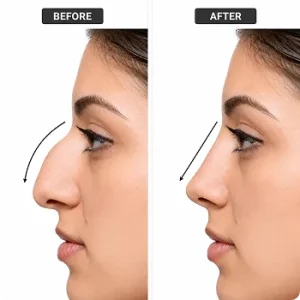
Revision Rhinoplasty
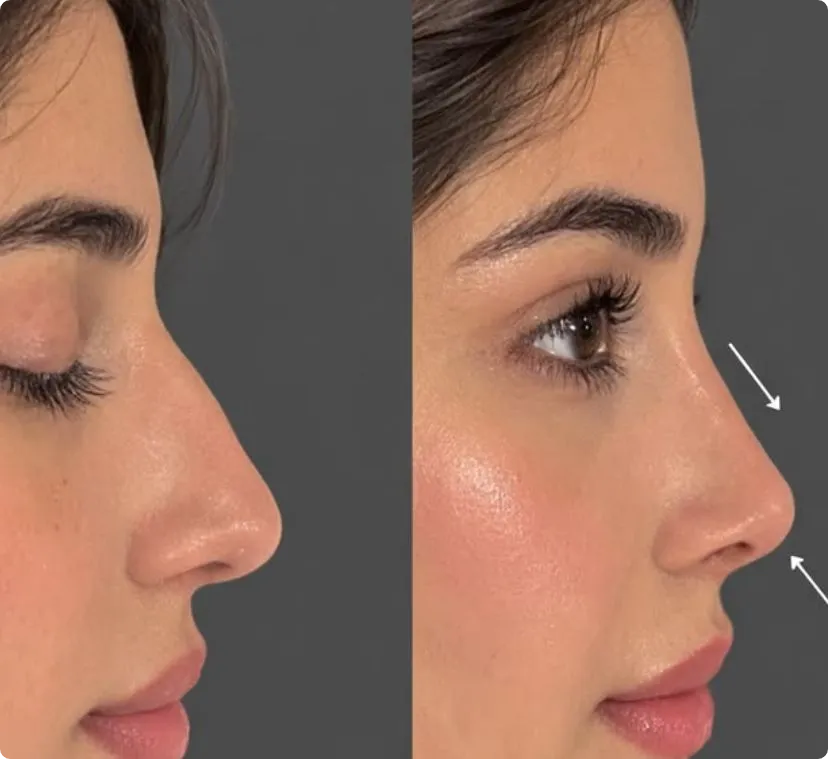
Revision Rhinoplasty
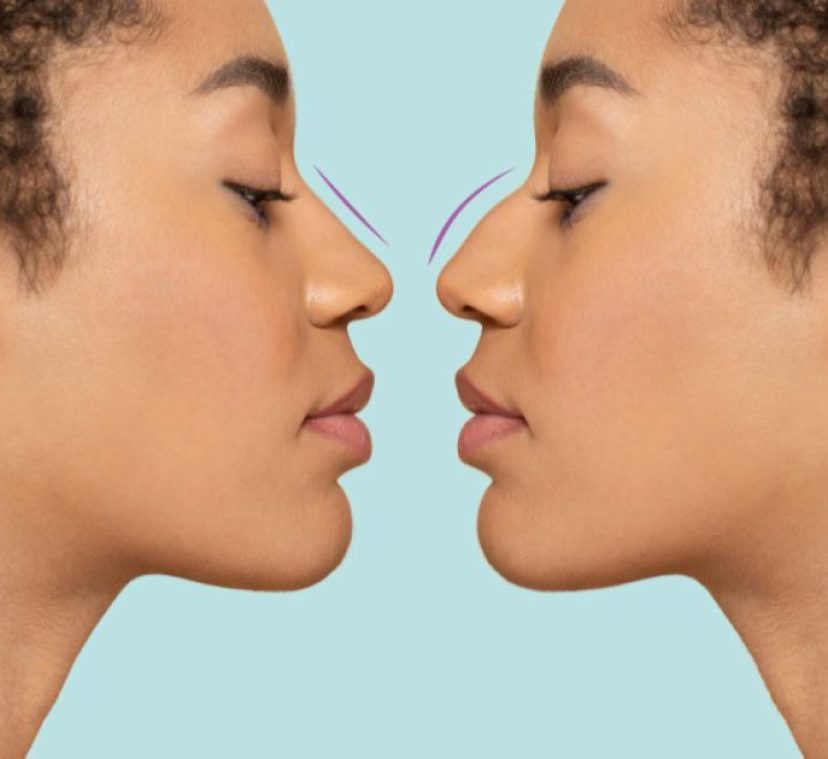
Revision Rhinoplasty
What Revision Rhinoplasty Costs in Dubai
Costs run higher than for a first operation. The surgery takes longer, it often needs grafts, and rib cartilage adds a second surgical site.
Revision Rhinoplasty often costs more than a first procedure. Surgery can take longer and may require grafts. Rib cartilage can also add another surgical site. The final cost depends on the amount of reconstruction needed and whether airway concerns require treatment.
Dr. Sohrab provides an itemised quote after your consultation. He does not provide prices over the phone because every revision case involves different surgical needs.
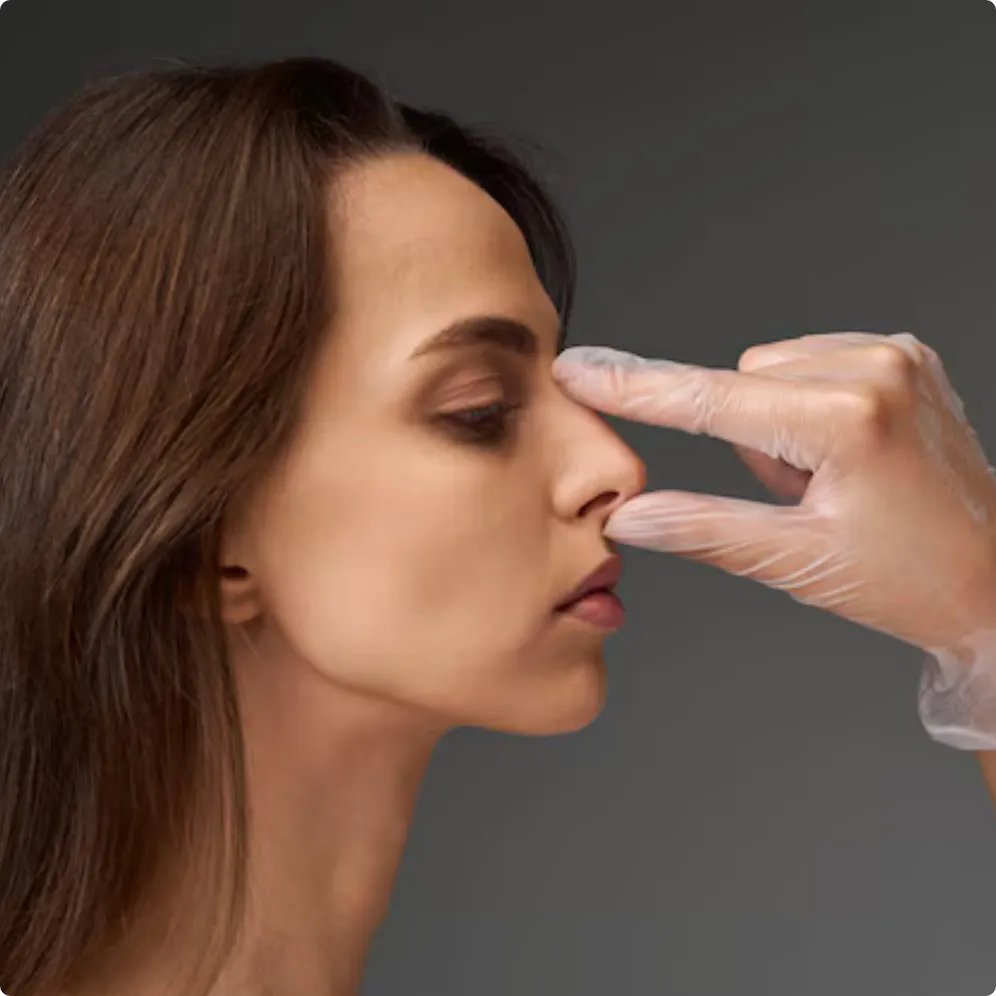
Finding the Right Revision Rhinoplasty Surgeon
Revision Rhinoplasty needs a different approach from a first nose surgery. Ask how many revision cases the surgeon handles and whether they have experience with complex nasal reconstruction.
Some revision cases need rib cartilage grafts to rebuild the nose. Breathing problems may also need attention during surgery. Dr. Sohrab considers both the nose structure and airway when planning revision surgery.
Dr. Sohrab trained in general surgery at Tabriz University of Medical Sciences before completing plastic and reconstructive surgery training at Tehran University of Medical Sciences. His early work at a skin tumour referral clinic in Tehran involved delicate facial tissue repair.
Didn’t Find the Answer? Ask us Questions
Call us directly, submit a sample or email us!
Donwtown Dubai, UAE
Call us :+01 (702) 555-0122
Mon-Sat: 7:30am - 7:00pm
Sun: 8:00am - 6:00pm
FAQs
Revision Rhinoplasty
Usually after twelve months, and sometimes longer if your skin is thick. An earlier consultation is fine, and it helps you plan ahead.
It's more complex, and scar tissue plus limited cartilage make the result a little less predictable. Complications stay uncommon in experienced hands. Dr. Sohrab talks you through the specific risks for your nose at consultation.
In many cases, yes. Grafts that support the nasal valve, along with septal straightening, often make a clear difference to airflow.
Yes. Bring any operation notes you have, plus photos from before the first surgery. They show what the first surgeon changed.
Lorem ipsum odor amet, consectetuer adipiscing elit. Porttitor est interdum quisque tempor facilisi. Interdum torquent mattis sociosqu adipiscing leo montes maecenas. Elit ultricies vehicula arcu convallis nascetur convallis risus. Non ornare pretium commodo aliquam tortor vitae convallis litora aliquam.
Start With an Honest Assessment of Your Nose
Begin your personalized plastic surgery experience with Dr. Sohrab.
Second operations deserve more thought than first ones. Book a revision rhinoplasty consultation in Dubai with Dr. Sohrab, bring your old photos, and leave knowing what can change and when. Haven’t had nose surgery before? His rhinoplasty surgery in Dubai page covers first-time surgery.